Equipment resources
Preparing equipment available for inquiry
Checking brands, models, images and applications to keep product browsing and inquiries clear.
Laboratory instrumentsSemiconductor equipmentModel search

Equipment resources
Checking brands, models, images and applications to keep product browsing and inquiries clear.
Equipment details
Preparing product images, specifications, applications and related equipment to help you verify the model.
FISSION - Magnetron Sputtering
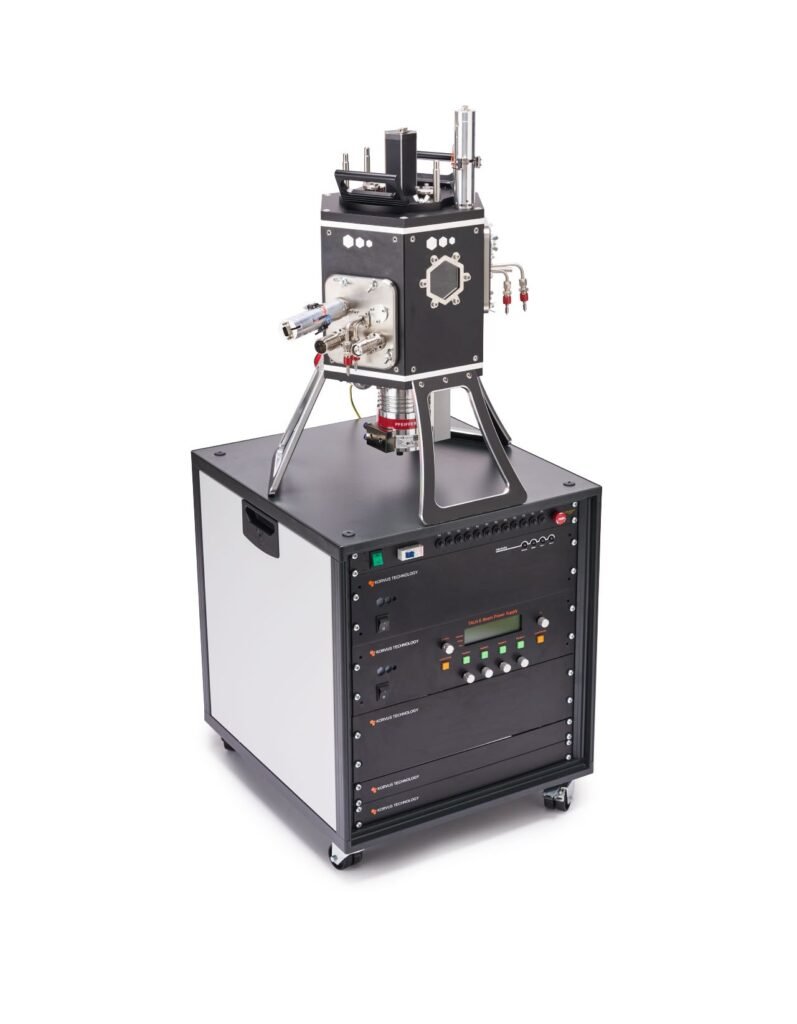
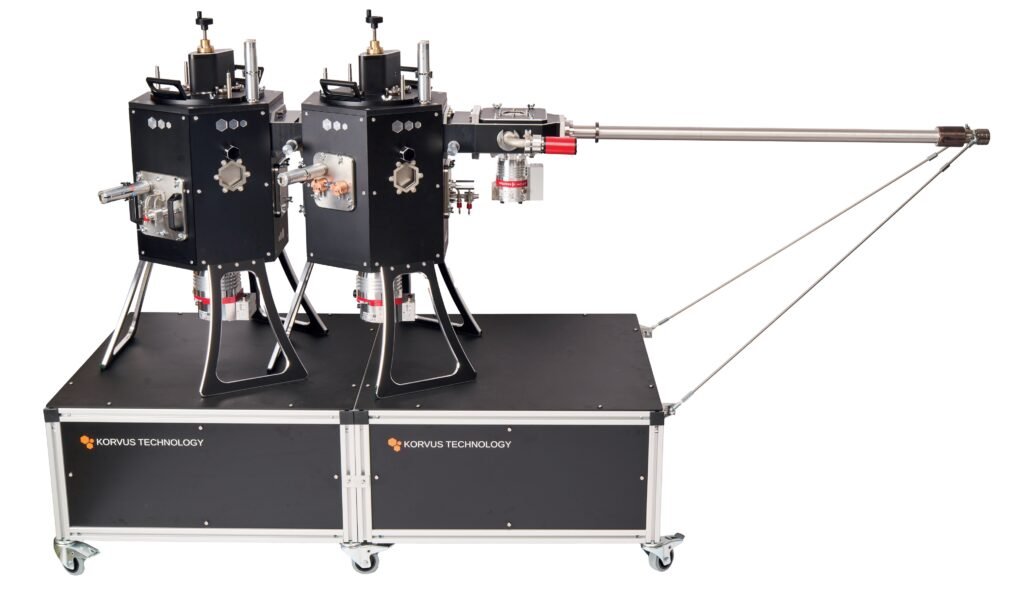
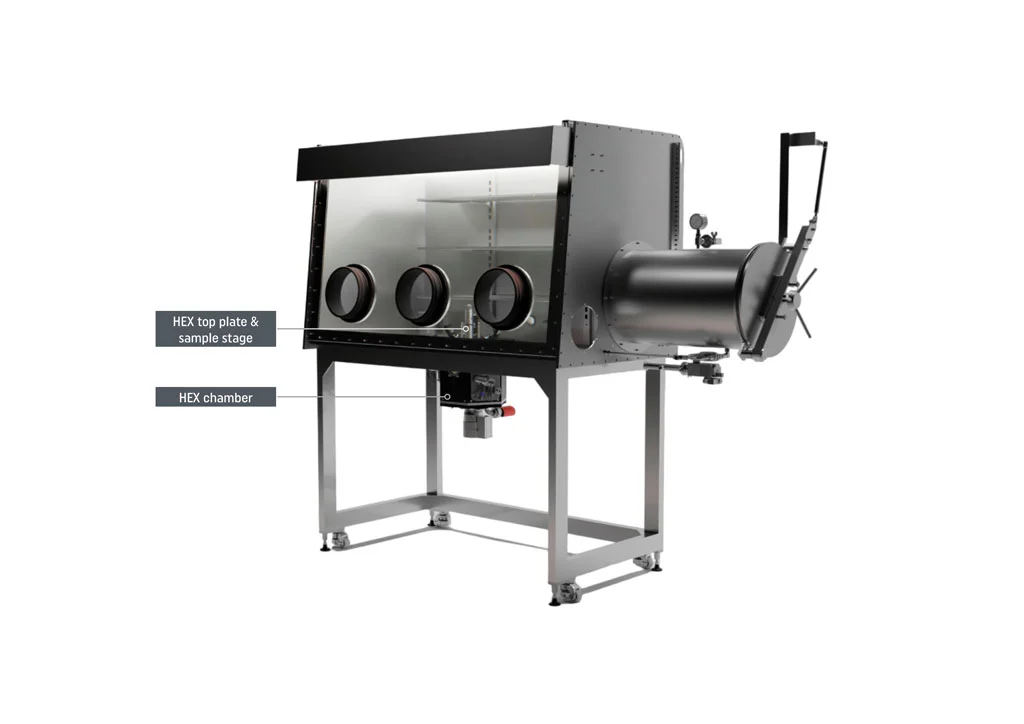
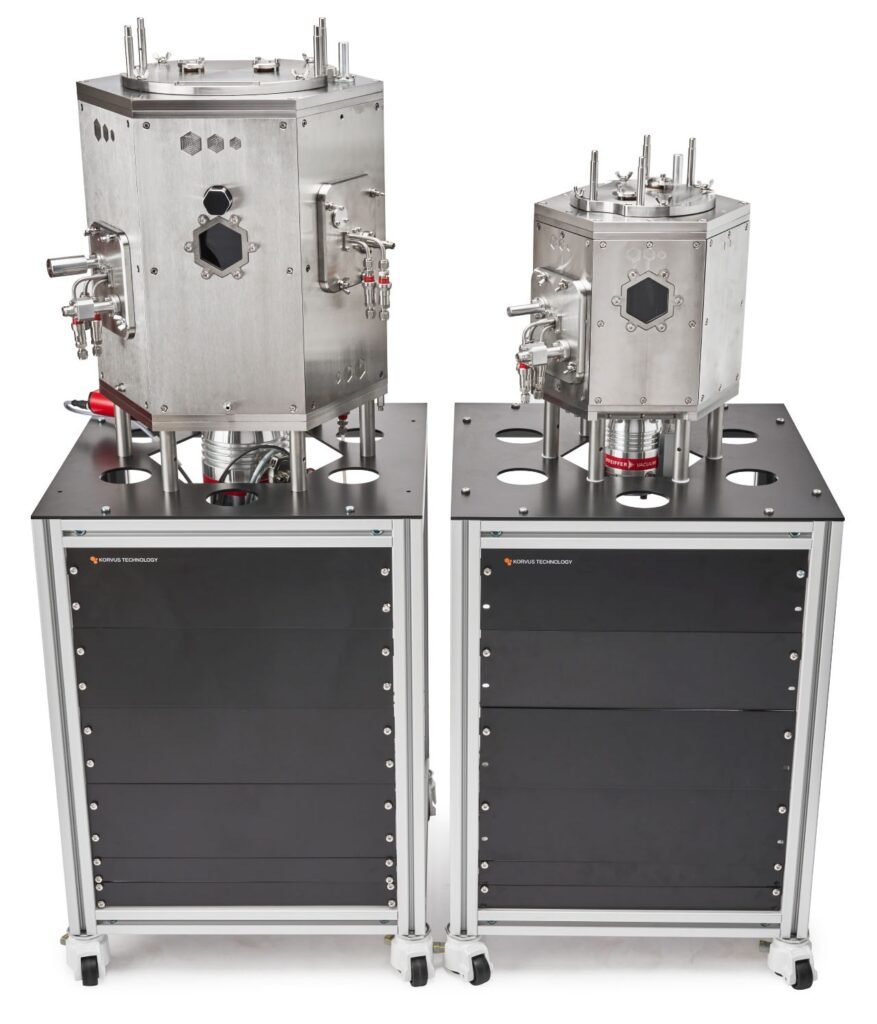
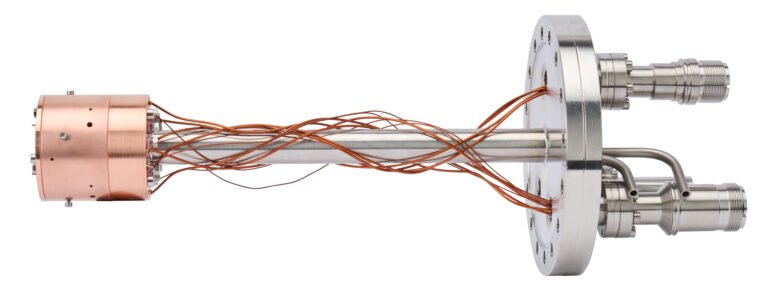
The FISSION series of DC and RF magnetron systems allows users to switch between thin film direct current and radio frequency sputtering without requiring specialised tools or lengthy downtime for setup adjustments. The FISSION deposition source integrates seamlessly with the modular HEX system, which utilises quick-release connectors for cooling and water connections, making set-up simple and fast.
Keqiao Lab provides model lookup, selection, quotation, procurement, installation, training, and service coordination support for Korvus Technology FISSION - Magnetron Sputtering. Pricing is by inquiry.

Scan WeChat QR
Scan to add our technical consultant and share your requirement.
FISSION - Magnetron Sputtering
MAGNETRON SPUTTERING
The FISSION series of DC and RF magnetron systems allows users to switch between thin film direct current and radio frequency sputtering without requiring specialised tools or lengthy downtime for setup adjustments. The FISSION deposition source integrates seamlessly with the modular HEX system, which utilises quick-release connectors for cooling and water connections, making set-up simple and fast.
The HEX system provides the framework for multiple physical vapour deposition (PVD) techniques, including DC, RF, Pulsed-DC and HiPIMS magnetron sputtering methods. The system accommodates reactive sputtering through the introduction of the reactive gas directly into the vacuum chamber or via a separate gas feed. For optimal performance, a separate feedthrough is recommended to maintain the proper partial pressure of the reactive gas at the target surface.
The FISSION series allows the sputtering process for a wide range of deposition materials, including metals, magnetic materials, insulators, and semiconductors. It also facilitates composite thin film deposition by processing multiple sources.
The HEX system also supports high-power impulse magnetron sputtering (HiPIMS), ensuring ions from the sputtered target material arrive at the substrate instead of neutral atoms. The main advantage of HiPIMS is that it allows for greater control over the film’s microstructure, phase composition, and optical properties, and is great for conformal coatings.
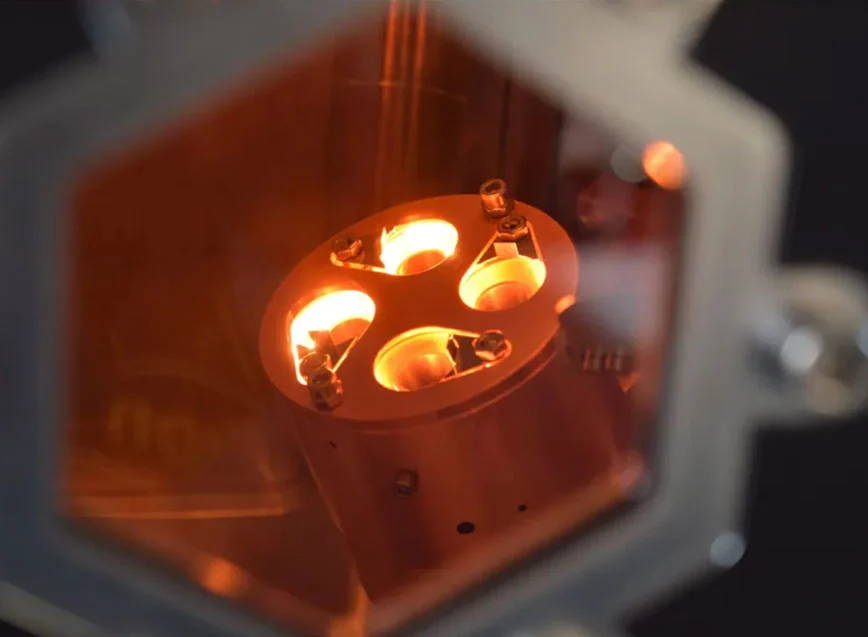
Sputter deposition is a widely used method for thin film coating. The process begins with a vacuum environment, where a plasma is ignited above a negatively charged target material.
The plasma ions, often derived from argon, are drawn toward the surface of the target. Upon impact, these ions eject atoms or molecules in a process called sputtering, which forms a vapour.
This vapour subsequently condenses on a substrate to form a thin film.
The steps in the RF and DC magnetron sputtering process differ slightly, but will include the following steps:
Vacuum Environment: The process begins with creating a vacuum chamber that contains the target material, the substrate, and an inert gas such as argon.
Plasma Ignition: RF or DC voltage is applied to the target, which ionizes the gas atoms into charged particles, generating a plasma. This plasma then interacts with the target surface, initiating the sputtering process.
Magnetic Field of the Magnetron: In the magnetron sputtering method, the magnetic field near the surface of the target traps electrons close to the target material. This increases the likelihood of ionising collisions with gas atoms, enhancing plasma density and improving the efficiency of the sputtering process.
Ion Bombardment: Charged plasma particles, specifically positive ions, gain kinetic energy as they are accelerated towards the target material which is negatively charged. Conversely, RF sputtering uses an alternated charge to enable the deposition of both conductive and non-conductive materials.
Sputtering Ejection: When ions collide with the target surface, they knock off atoms or molecules in a process called sputtering.
Condensation on Substrate: The ejected atoms travel through the vacuum and condense on the substrate, forming a uniform thin film coating.
Reactive Sputtering (Optional): If a reactive gas (e.g., oxygen) is introduced, it reacts with the sputtered material, creating compound films such as oxides or nitrides.
This process is highly efficient due to the magnetic field’s ability to enhance ionisation, making magnetron sputtering systems suitable for high-quality and precise thin films.
Typically, argon is the sputtering gas used within the conventional magnetron sputtering system. However, other inert gases may also be used.
Argon is used in the thin film deposition process for a few reasons:
It has a large atomic mass (39.948 u)
It has an inert nature, which is why it is not reactive
It enables consistent ionisation in the vacuum chamber
It is cost effective
Share your use case and we will provide selection recommendations.