Technical resources
Loading selection guidance
Bringing together related equipment, applications and frequently asked questions for further research.
Technical articlesRelated equipmentFAQ
Technical resources
Bringing together related equipment, applications and frequently asked questions for further research.
Technical overview
Loading related equipment images, process information and further reading to support procurement checks.
Related equipment
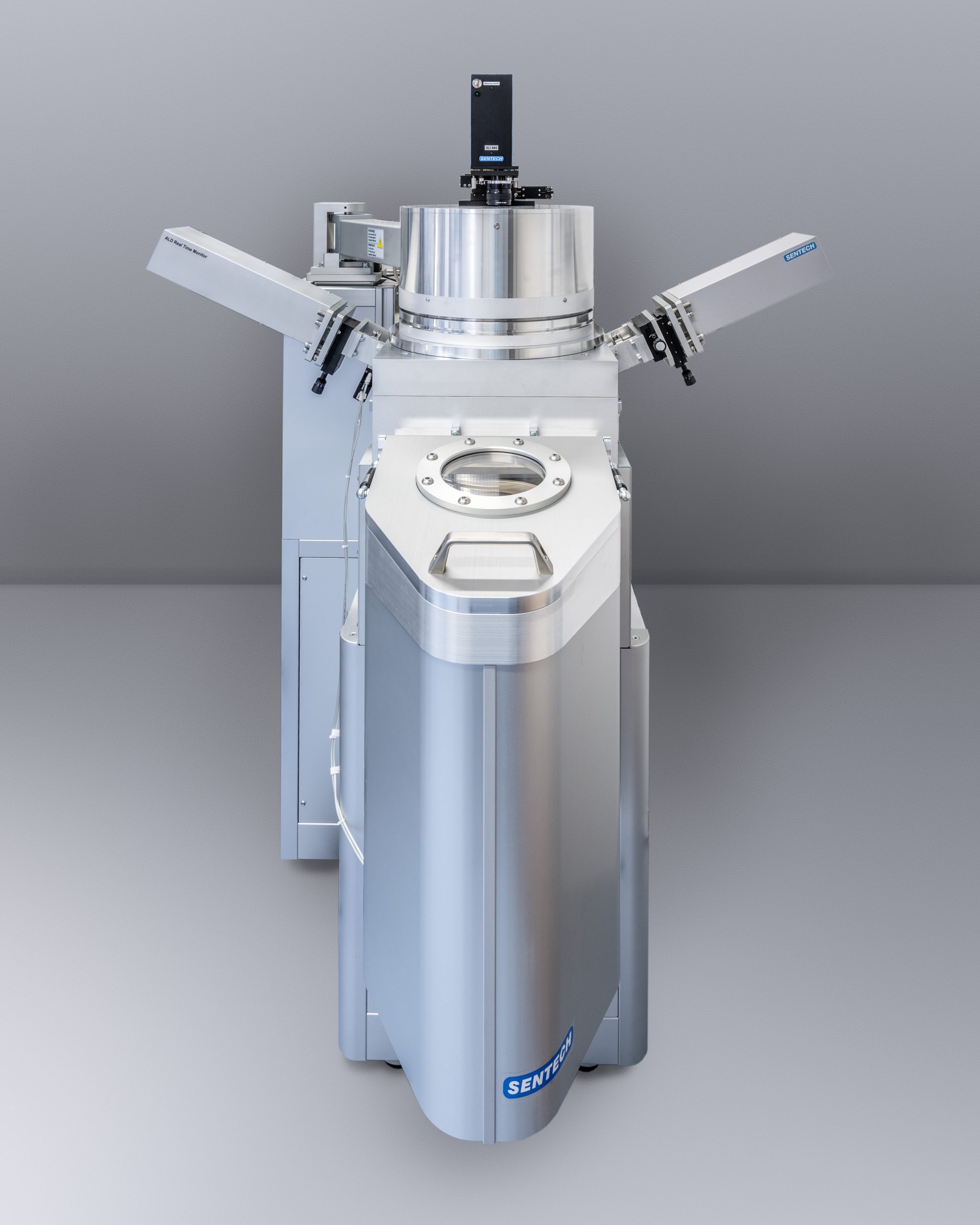
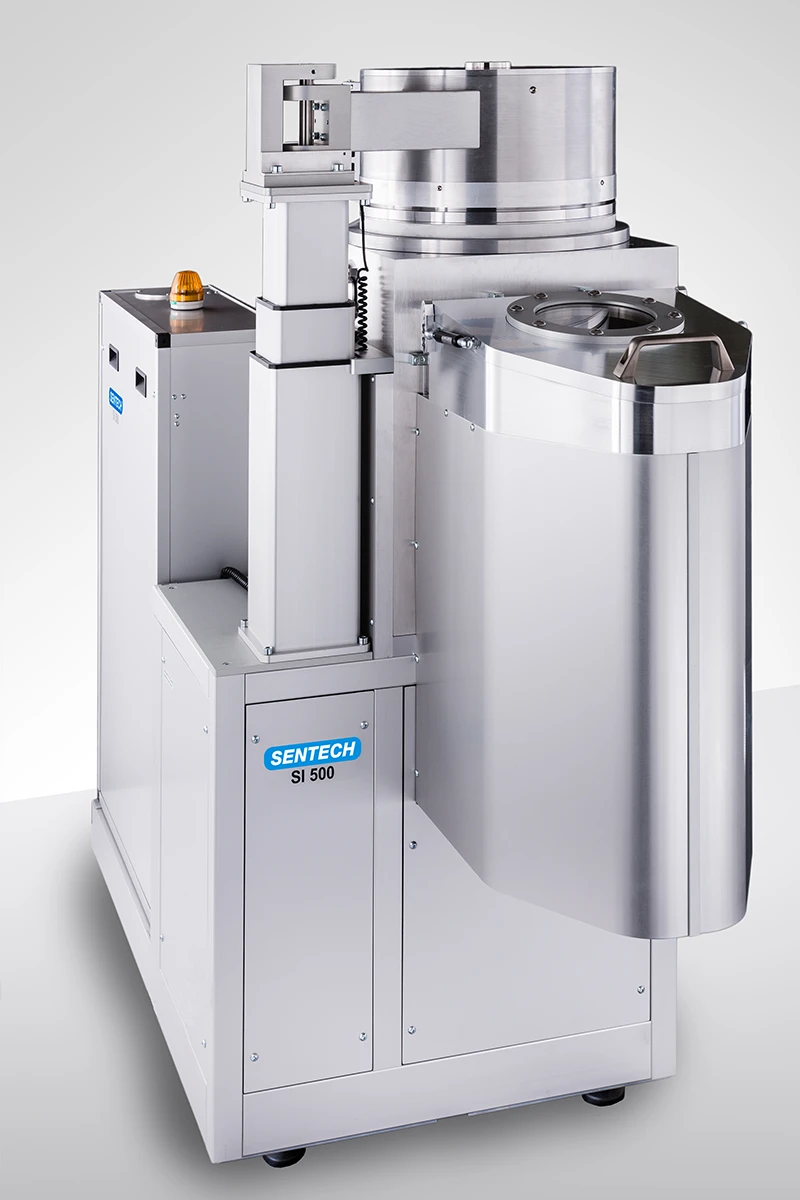
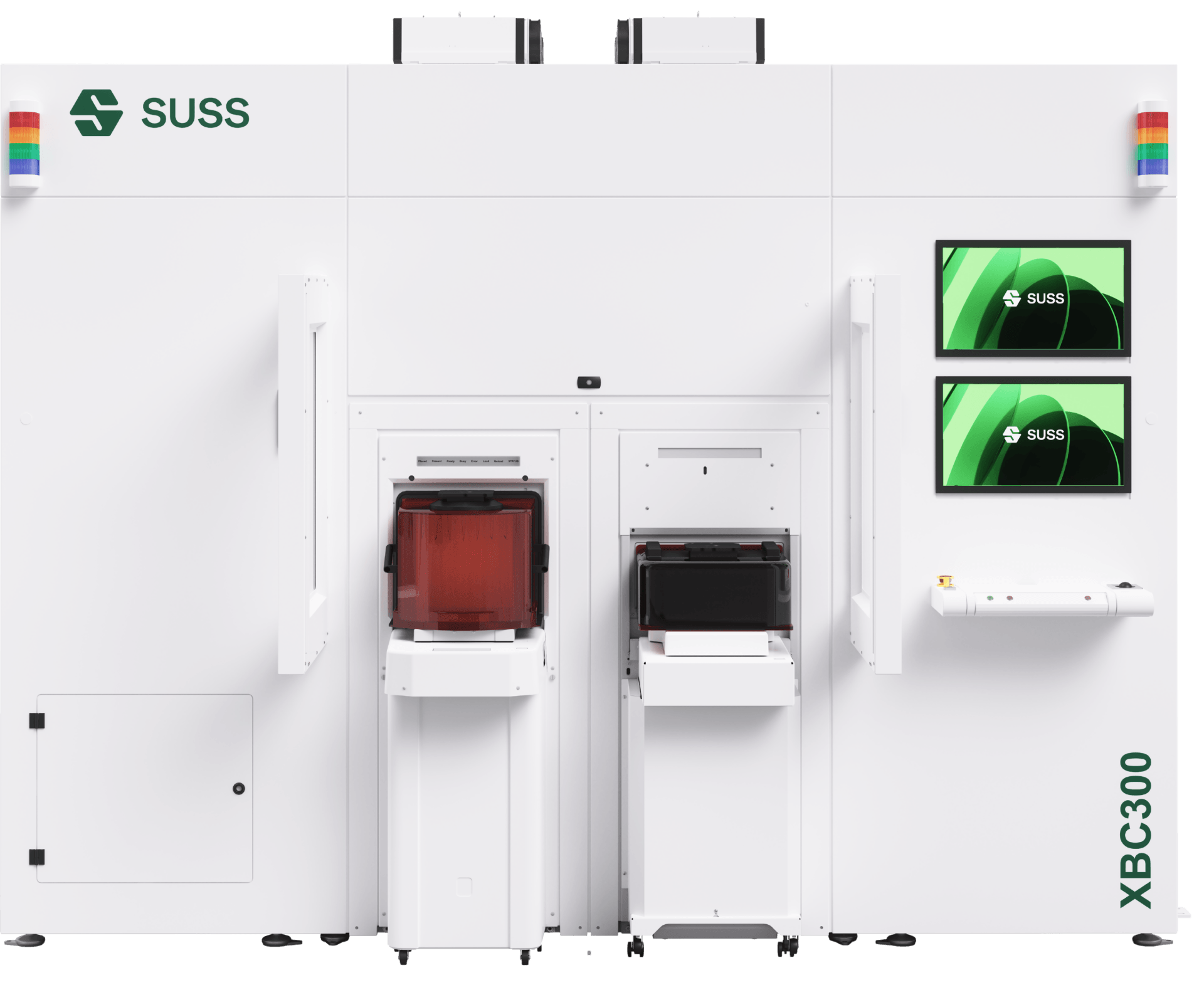
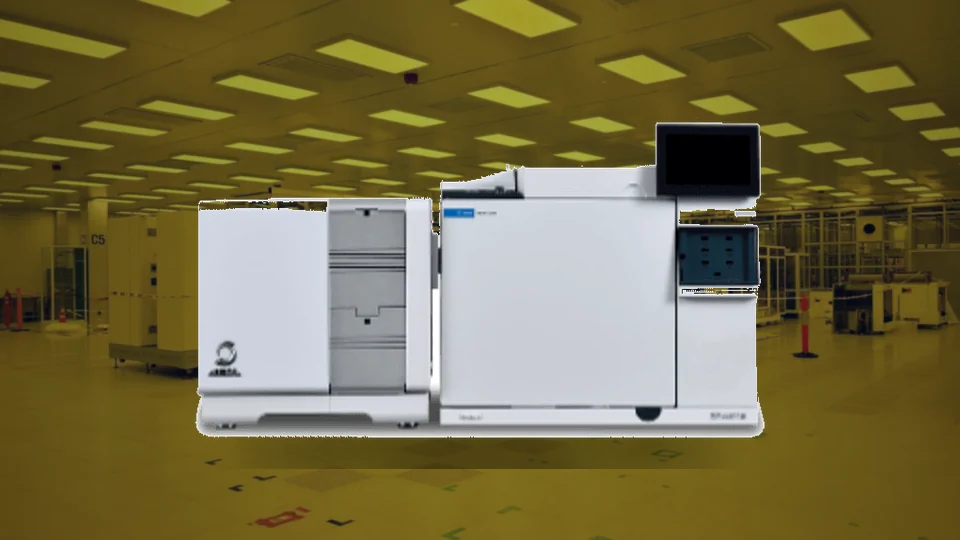
This article focuses on the LP50 R&D inkjet printer and organizes the key points related to brand model comparison, alternative selection, long-term use cost and service guarantee. The content is based on product information and public descriptions already listed by CladeLab, primarily serving procurement for scientific research and testing, materials characterization, industrial quality control, life science laboratories, and semiconductor process equipment. The article does not additionally fabricate undisclosed parameters, but separates the confirmable information, fields to be confirmed and the communication list to facilitate users to form a clearer judgment before making an inquiry.
is suitable for use when comparing multiple brands or similar models, helping the team make judgments from four aspects: application results, delivery conditions, maintenance convenience and long-term use risks. For purchasers, equipment selection is not a simple comparison of names or brands, but rather confirmation of target samples, test methods, working environment, data output, installation conditions and long-term use costs. For SUSS MicroTec LP50 R & D Inkjet Printer, any specification absent from the product page should remain unconfirmed. Do not add unverified technical specifications merely to complete the page.
LP50 R&D inkjet printers are currently classified as laboratory instruments and semiconductor process equipment related equipment. Information in public information that can be directly used for preliminary judgment includes:
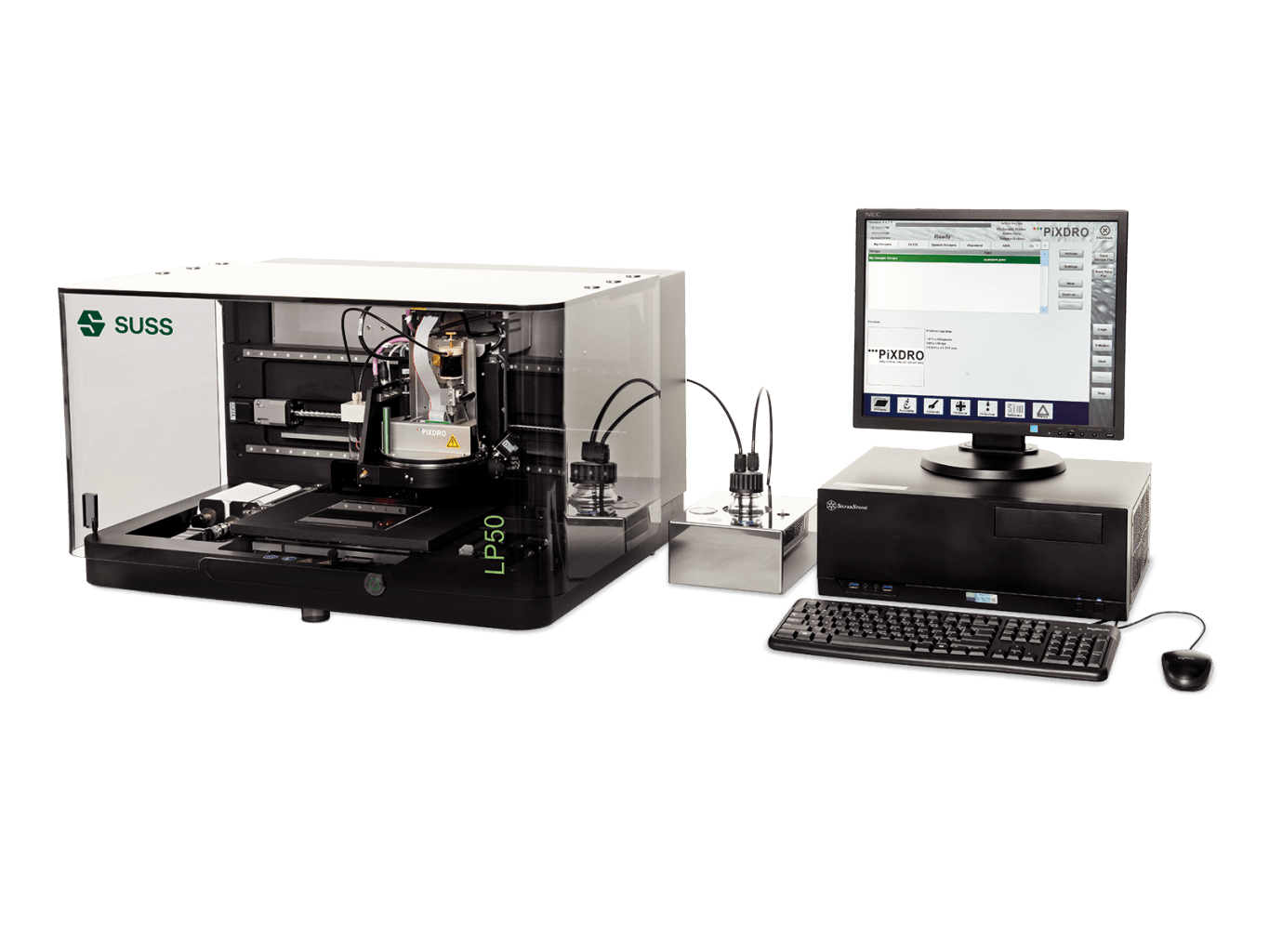
Laboratory Instruments and Semiconductor Process Equipment The use value of equipment is usually reflected in method reliability, data repeatability, operational convenience and delivery feasibility. When assessing the LP50 research and development inkjet printer, consider three application layers: the sample or process object, the desired test or treatment outcome, and laboratory site conditions and frequency of use. Model comparison is meaningful only if all three layers of information are clear.
During solution design, use SUSS MicroTec LP50 R & D Inkjet Printer as a search starting point to identify equipment from the same brand, category or similar applications. If you have entered the procurement stage, the target configuration, accessory consumables, software version, installation services, training scope and acceptance criteria should be written into the communication form. This can not only improve the accuracy of quotations, but also reduce project delays caused by supplementing conditions after arrival.
Before formal discussions, prepare the following information: the target application and sample type; the desired testing, analysis, or process outcome; existing methods or equipment; site, power, gas, water, exhaust, cleanliness class, and load-bearing conditions; requirements for software, fixtures, consumables, reference samples, spare parts, or training; and the budget stage, procurement schedule, and delivery deadline.
For projects that require cross-department approval, it is also recommended to synchronize the recording of the using department, purchasing department, equipment management department, and financial budget nodes. Scientific research laboratories pay more attention to method adaptation and data quality, while production or quality control scenarios pay more attention to stable operation, delivery cycle and maintenance convenience. Writing these differences clearly in advance will make LP50 communication about developing inkjet printers more effective.
The parameters in the public page are suitable for preliminary screening, but they are not suitable for drawing direct conclusions without application conditions. The core performance of many devices is affected by sample preparation, environmental conditions, accessory configuration, software algorithms and operating methods. When checking technical details for SUSS MicroTec LP50 R & D Inkjet Printer, establish which specifications come from public documentation, which require manufacturer documentation and which require sample validation or on-site testing.
If there are multiple similar models, avoid judging the substitution relationship based only on the model name. A more reliable approach is to compare target applications, key modules, degree of automation, sample throughput, data formats, maintenance intervals, consumables availability and on-site service conditions. This is not only conducive to traditional SEO page understanding, but also more suitable for generative search systems to identify the real purpose of the page.
The key tasks after the delivery of equipment include arrival inspection, configuration inventory, installation condition confirmation, basic function test, typical sample trial run, operational training, data transfer and service window confirmation. For laboratory new construction or renovation projects, space, load-bearing, temperature and humidity, electricity, gas, exhaust and safety specifications should also be confirmed in advance. If these conditions are not stated before purchase, the risk of subsequent acceptance and use will be significantly increased.
In terms of long-term maintenance, it is recommended to pay attention to consumable parts, key module maintenance, software upgrades, data backup, calibration or verification cycles, spare parts supply and engineer response methods. The role of CladeLab is to help users organize model documentation, application needs, supply resources, and delivery conditions into actionable discussions, rather than replace formal technical documentation from the brand.
Generative search makes it easier to reference content with clear structure and clear boundaries. Content about the LP50 research and development inkjet printer should answer practical questions rather than simply repeat keywords: what the equipment is, its applications, what to confirm before purchasing, which specifications cannot be assumed, installation and acceptance requirements, and comparisons with alternative models. An expression like is also more useful to potential customers because it translates directly into an internal purchasing list.
** 1 . LP50 R&D inkjet printer. Is it suitable to purchase directly by model? **
Confirm that SUSS MicroTec LP50 R & D Inkjet Printer matches the intended application before checking configuration, accessories, software, installation environment and delivery conditions. For laboratory instruments and semiconductor process equipment, the same model does not mean the same configuration. Key requirements need to be compiled into an inquiry list before formal procurement.
** 2 . What information should be provided when making an inquiry? **
It is recommended to provide the target application, sample type, desired data or process results, existing methods, budget range, site conditions, expected delivery time, and whether installation training is required. The more complete the information, the easier it is for the supplier to determine whether additional accessories, consumables, software or on-site services are needed.
** 3 . Can the information on the page replace the brand specification? **
Not replaceable. This article organizes selection and procurement discussions for the LP50 research and development inkjet printer. Specific technical specifications, acceptance criteria, configuration limits and service scope remain subject to manufacturer documentation, quotation documents and information confirmed by both parties.
** 4 . Laboratory instruments and semiconductor process equipment. What should we focus on when accepting equipment? **
Acceptance inspections usually cover consistency of appearance and configuration, the condition of key modules, accessory completeness, basic operation, representative sample testing, data output methods, operator training records, and subsequent maintenance windows. If the project involves special working conditions, environmental, safety and compliance requirements should also be confirmed in advance.
** 5 . What are the core judgment criteria for brand model comparison, alternative selection, long-term use cost and service guarantee? **
The core is not a single parameter, but whether equipment capabilities, sample conditions, method requirements, site conditions, budget cycles and service boundaries match. It is recommended to use a table to separate the items that “must be met”, “acceptable” and “to be confirmed” to reduce missed communication in the follow-up.
Product entrance: / zh/products/suss-lp50. This article provides a framework for selection, procurement inquiries, application checks and delivery discussions for the LP50 research and development inkjet printer. It does not replace manufacturer specifications, quotation documents or acceptance documents. If new brand information, application cases or parameter fields are added to subsequent product pages, the content of the article should also be reviewed simultaneously to ensure that external information is always based on confirmable information.